
"USAID coffee project"
200 article(s) found

What are the peculiar varieties of Rwandan coffee
Following Cafe (official Wechat account vdailycom) found that Beautiful Cafe opened a small shop of its own. German missionaries first brought coffee to Rwanda in 1904, but it was not until 1917 that Rwanda had enough production to export. After World War I, the League of Nations forcibly removed German colonial rule and handed it over to Belgium. This explains why the calendar

Rwanda Coffee Flavor treatment method
Rwandans have been growing coffee since colonial times, but until 1999, its products were still classified as below Class C and were not popular in the global market. The reason for the poor quality is that farmers do not have a fixed procedure for washing coffee beans and do not process coffee fruits according to specifications in time. Buyers buy coffee beans at $0.33 per kilogram, and farmers keep warm by the meagre profits earned at low prices.

History, geography and climate of coffee in Rwanda
Rwandans have been growing coffee since colonial times, but until 1999, its products were still classified as below Class C and were not popular in the global market. The reason for the poor quality is that farmers do not have a fixed procedure for washing coffee beans and do not process coffee fruits according to specifications in time. Buyers buy coffee beans at $0.33 per kilogram, and farmers keep warm by the meagre profits earned at low prices.

Rwanda Coffee Flavor
Rwandans have been growing coffee since colonial times, but until 1999, its products were still classified as below Class C and were not popular in the global market. The reason for the poor quality is that farmers do not have a fixed procedure for washing coffee beans and do not process coffee fruits according to specifications in time. Buyers buy coffee beans at $0.33 per kilogram, and farmers keep warm by the meagre profits earned at low prices.

Introduction of Coffee Manor in Malaba, Rwanda
In early 2003, UCR distributed Malaba coffee through the Sainsburys supermarket in Sainsbury and sold it in its 350 stores until Red nose Day that year. In 2003, Abauzam Gump made a net profit of US $35000. Of this, 70% is allocated to farmers at a price of US $0.75 per kilogram.

What is the growing environment of coffee beans in East Timor? How many kinds of coffee are there in East Timor?
Professional coffee knowledge exchange more coffee bean information please follow the coffee workshop (Wechat official account cafe_style) how is the growing environment of coffee beans in East Timor? How many kinds of coffee are there in East Timor? In 1994, after years of conflict, the coffee industry in East Timor began to emerge. With the help of NCBA and USAID, coffee farmers formed the cooperative CooperativaCafTimor

The Historical Origin of Rwandan Coffee
Historical editors originate that Rwandans have been growing coffee since colonial times, but until 1999, its products were still classified as below Class C and were not popular in the global market. The reason for the poor quality is that farmers do not have a fixed procedure for washing coffee beans and do not process coffee fruits according to specifications in time. Buyers buy coffee beans at $0.33 per kilogram, which farmers earn at low prices.
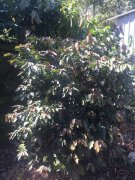
Detailed introduction of Rushashi producing area in Rwanda-Duhingekawa Women's Cooperative
Professional barista exchanges please follow the coffee workshop (Wechat official account cafe_style) Rwanda Rushashi producing area-Duhingekawa Women's Cooperative Rwanda is located in the heart of the interior of Africa, its mountain terrain is fertile land, as well as ancient traditional bourbon species, indicating that the natural environment needed to grow quality coffee beans can be found everywhere in Rwanda. Coffee was made in Germany in 1904.

Coffee bean treatment method introduction what is coffee treatment method
After removing the pulp, the quality of coffee honey treatment was better than that of drying treatment, but not as good as washing treatment. This method of processing coffee beans by honey treatment has recently been sought after by coffee lovers. It has a sweet taste and is rich in Crema. It is suitable for extracting Espresso from the base of Italian coffee. The advantage is that it can restore the flavor of coffee beans, the coffee is more sweet, and the taste of red wine is stronger.

A new chapter in Ethiopian boutique coffee-the way to the west Ethiopian coffee tomoca
Professional coffee knowledge exchange more coffee bean information please follow the coffee workshop (Wechat official account cafe_style) Ethiopian coffee producing area flavor characteristics _ Ethiopia Yega Xuefei boutique coffee in the introduction of this bean, we want to share with you not just a bean, a flavor or a story, we want to join you into a new Ethiopia

For Rwandan coffee beans, it is better to buy raw beans or roasted beans.
Rwandans have been growing coffee since colonial times, but until 1999, its products were still classified as below Class C and were not popular in the global market. The reason for the poor quality is that farmers do not have a fixed procedure for washing coffee beans and do not process coffee fruits according to specifications in time. Buyers buy coffee beans at $0.33 per kilogram, and farmers keep warm by the meagre profits earned at low prices.

Introduction of washed Rwanda coffee beans classification of fine coffee
Rwandans have been growing coffee since colonial times, but until 1999, its products were still classified as below Class C and were not popular in the global market. The reason for the poor quality is that farmers do not have a fixed procedure for washing coffee beans and do not process coffee fruits according to specifications in time. Buyers buy coffee beans at $0.33 per kilogram, and farmers keep warm by the meagre profits earned at low prices.

Flavor and taste characteristics of Coffee from Chimere Manor in Lutesilo, West Province of Malaba Coffee, Rwanda
In 2006, the Swedish Minister of Development and Cooperation and Deputy Minister of Foreign Affairs, Karin Jemtin (Carin Jamtin), visited Malaba to expand cooperation between Sweden and Rwanda and to promote Malaba coffee to the Swedish professional market.

Rwanda Malaba Coffee introduces the treatment of boutique coffee
Rwandans have been growing coffee since colonial times, but until 1999, its products were still classified as below Class C and were not popular in the global market. The reason for the poor quality is that farmers do not have a fixed procedure for washing coffee beans and do not process coffee fruits according to specifications in time. Buyers buy coffee beans at $0.33 per kilogram, and farmers keep warm by the meagre profits earned at low prices.

Introduction of Dukunde Kawa Cooperative | coffee flavor of COE Excellence Cup in Luanda
Professional coffee knowledge exchange more coffee bean information please follow the coffee workshop (Wechat official account cafe_style) [Luanda Coffee Love Musa washing] flavor: dried lemon, wild berry acid, citrus, plum juicy flavor, maple syrup sweet, dark chocolate deep flavor producer in Rushashi,Gakenke area of Rwanda.

Ethiopian fine coffee beans Agaro King's Road Nana Chara Cooperative washed beans wind
Professional coffee knowledge exchange More coffee bean information Please pay attention to coffee workshop (Weixin Official Accounts cafe_style) Ethiopian fine coffee beans Agaro King's Road Nana Chara Cooperative washed beans flavor and taste? Ethiopia Agaro Nano Challa Washed G1 Country Ethiopia Western Ethiopia Agaro

Introduction of Rwandan Coffee Flavor and Taste Manor characteristics of Rwandan Coffee beans in Chilmel Manor
In early 2003, UCR distributed Malaba coffee through the Sainsburys supermarket in Sainsbury and sold it in its 350 stores until Red nose Day that year. In 2003, Abauzam Gump made a net profit of US $35000. Of this, 70% is allocated to farmers at a price of US $0.75 per kilogram.

The origin of coffee beans in Rwanda Coffee bean powder is too weak.
The Rwandans of origin have been growing coffee since colonial times, but until 1999, its products were still classified as below Class C and were not popular in the global market. The reason for the poor quality is that farmers do not have a fixed procedure for washing coffee beans and do not process coffee fruits according to specifications in time. Buyers buy coffee beans at $0.33 per kilogram, and farmers rely on the meagre profits earned at low prices.

Introduction to the flavor and taste of Rwanda boutique coffee Malaba coffee
After the washed coffee beans are air-dried on the net rack, after washing the coffee beans many times to completely remove the remaining skin and sugary outer layer, the coffee beans are put into the sheltered rack to air-dry. Cooperative staff regularly flip coffee beans, while technicians continue to look for and pick out poor quality coffee beans. The two-week drying process takes place in the sun (preparing mulch in case of rain), but not

Introduction to the characteristics of fine taste treatment of Rwanda coffee bean grinding scale variety manor
The coffee fruit needs to be transported to the processing plant as soon as possible after picking, but due to the lack of domestic facilities, it is unable to deal with the fruit at the first time. The fruits are piled up after being picked, which will continue to develop and accelerate mildew and decay due to lack of ventilation. Rotten fruits will affect the quality of coffee and show defective flavor. In recent years, the production and processing of coffee in Rwanda are